
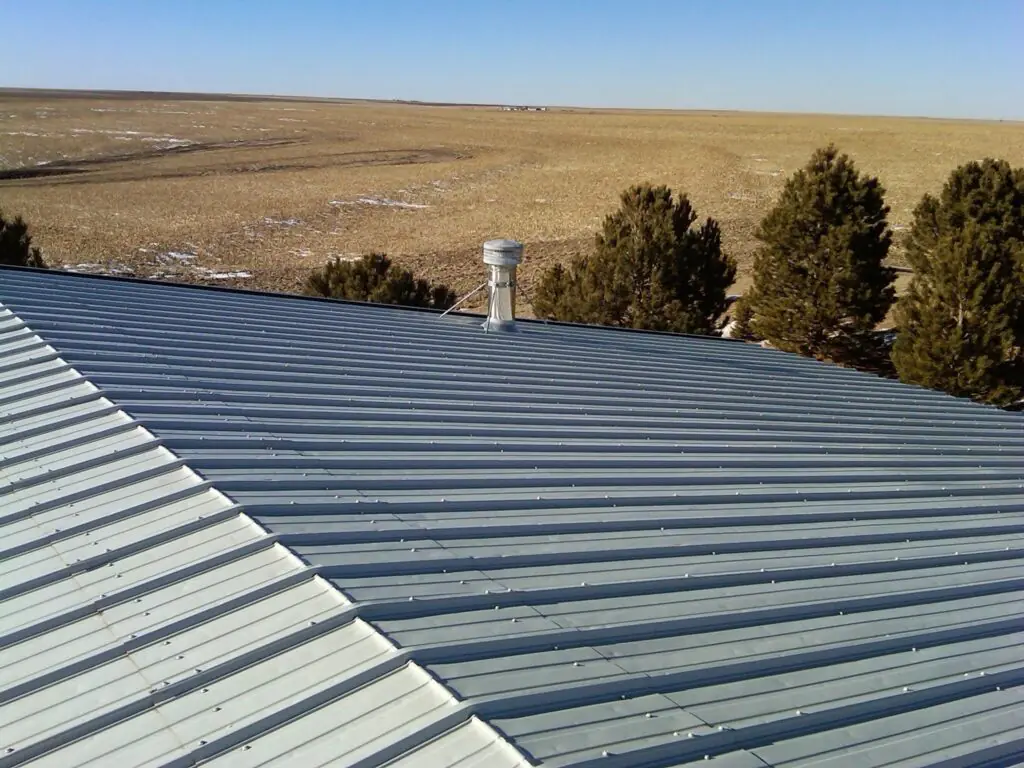
Industrial buildings often have large roof areas that protect equipment, stored materials, and daily business operations. Exposure to strong sunlight, changing temperatures, wind, and seasonal rainfall can gradually affect roofing materials. Choosing suitable Industrial Roofing Services In Colton CA helps property owners understand how to maintain roof performance and address developing problems. Regular inspections and timely maintenance can also reduce the risk of water intrusion and unexpected interruptions to industrial activities.
Which Roofing Materials Suit Industrial Buildings?
Industrial roofs require materials that match the building’s structure, purpose, and environmental conditions. Metal roofing is commonly used for its durability and ability to cover large areas, while single-ply membrane systems can provide a lightweight waterproofing solution. Some facilities may use built-up or modified bitumen roofing, depending on their existing roof design and performance requirements. Each material has different installation methods, maintenance needs, and expected service life. Comparing these factors helps property managers choose a system that suits their facility and long-term operating plans.
How Does Weather Affect Industrial Roof Performance?
Colton’s warm, sunny climate can expose roofing materials to prolonged ultraviolet radiation and repeated temperature changes. Over time, these conditions may contribute to material deterioration, weakened seals, and expansion around roof joints. Wind can loosen flashing or roofing components, while rainfall may reveal weak points in the waterproofing system. Industrial buildings with rooftop equipment may face additional maintenance challenges around vents, pipes, and mechanical units. Routine inspections help identify these vulnerable areas and determine whether repairs or protective maintenance are needed.
What Are the Common Signs of Industrial Roof Damage?
Roof problems do not always become visible from the ground, making scheduled inspections important for industrial property owners. Water stains on ceilings, damp insulation, interior leaks, and standing water on flat roofs can indicate potential concerns. Damaged flashing, loose panels, cracked membranes, and deteriorating roof seams also deserve attention. Ignoring these warning signs may allow moisture to reach structural components or stored products. Documenting visible changes and arranging an appropriate inspection can help determine the extent of damage before selecting a repair solution.
Why Is Preventive Roof Maintenance Important?
Preventive maintenance helps industrial facilities identify minor roofing concerns before they develop into larger problems. Inspections should examine drainage outlets, roof edges, seams, flashing, and areas surrounding rooftop equipment. Gutters and drainage pathways should remain clear so water can move away from the roof properly. Property managers should also review previous repair records and monitor recurring leak locations. The appropriate inspection schedule depends on the roofing system, building conditions, and manufacturer guidance. Consistent maintenance supports roof reliability and helps businesses plan repairs more effectively.
How Can Industrial Roofing Support Business Operations?
A dependable roofing system helps protect machinery, inventory, workspaces, and other valuable assets from weather exposure. Selecting suitable materials, maintaining drainage, and addressing damage promptly can contribute to the building’s overall performance. Industrial facilities should consider roof condition, energy efficiency, maintenance requirements, and future expansion plans when reviewing roofing needs. Local Roofer Inc provides roofing services for property owners who need to assess their roof’s condition and understand available maintenance or repair options. A planned approach to industrial roofing helps businesses protect their facilities and maintain safer, more dependable working environments.