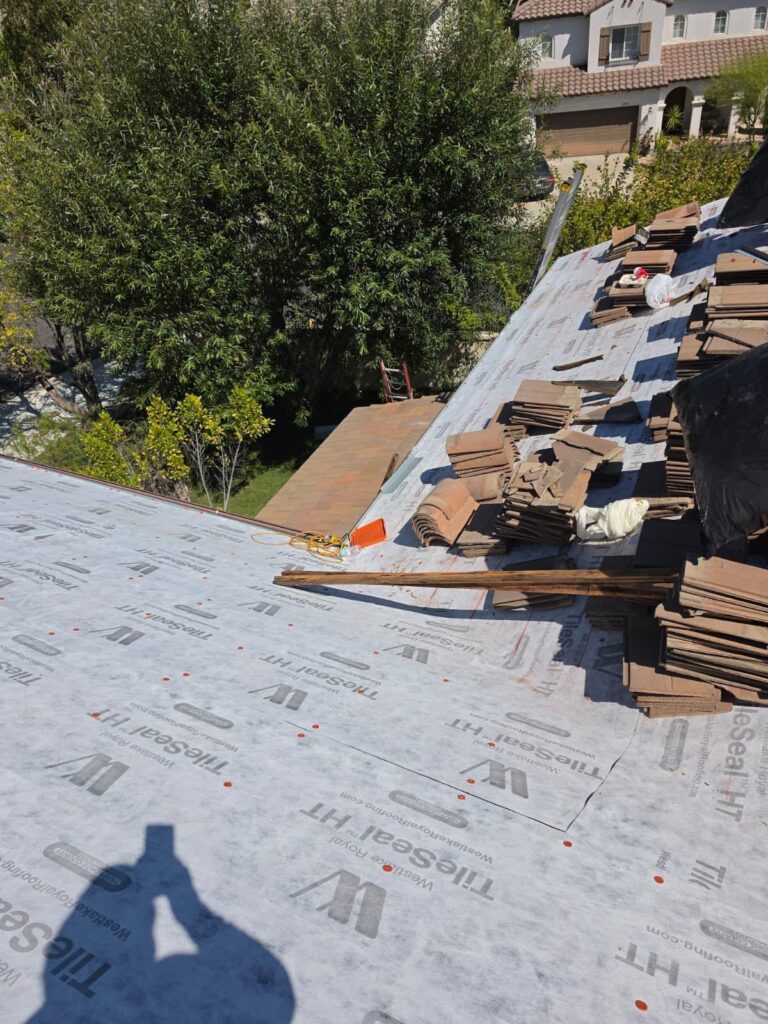
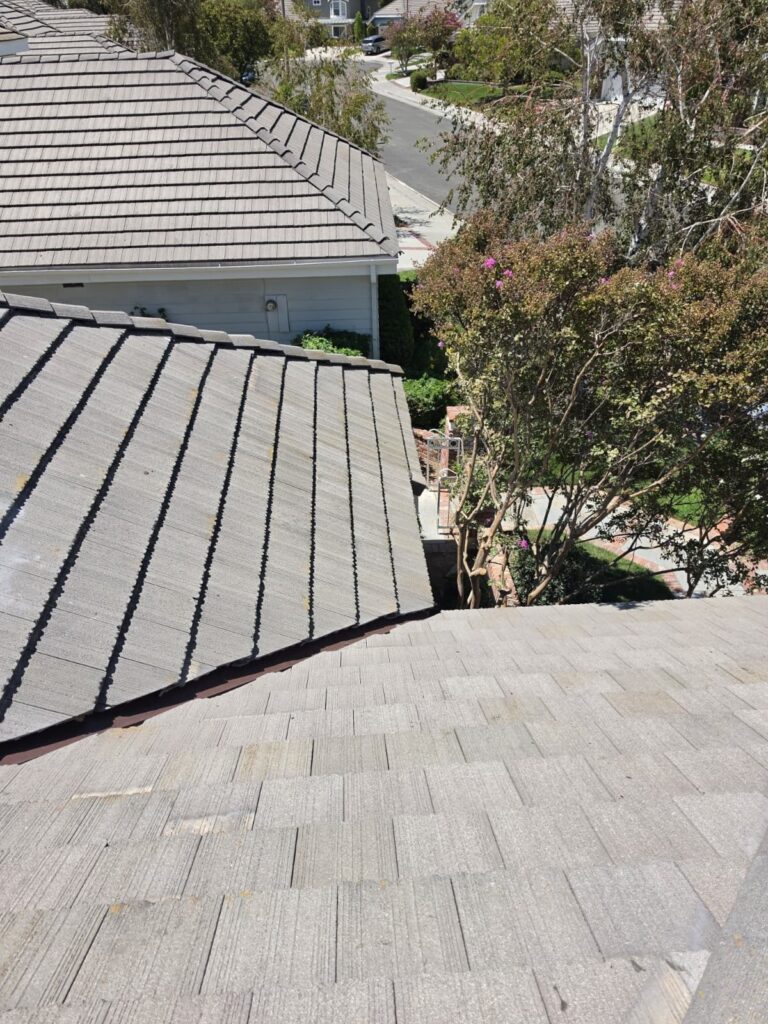
A roof protects a property from sunlight, rain, wind, and other outdoor conditions that can gradually affect its structure. Over time, roofing materials may develop cracks, loose sections, worn seals, or other forms of damage that require attention. Small defects
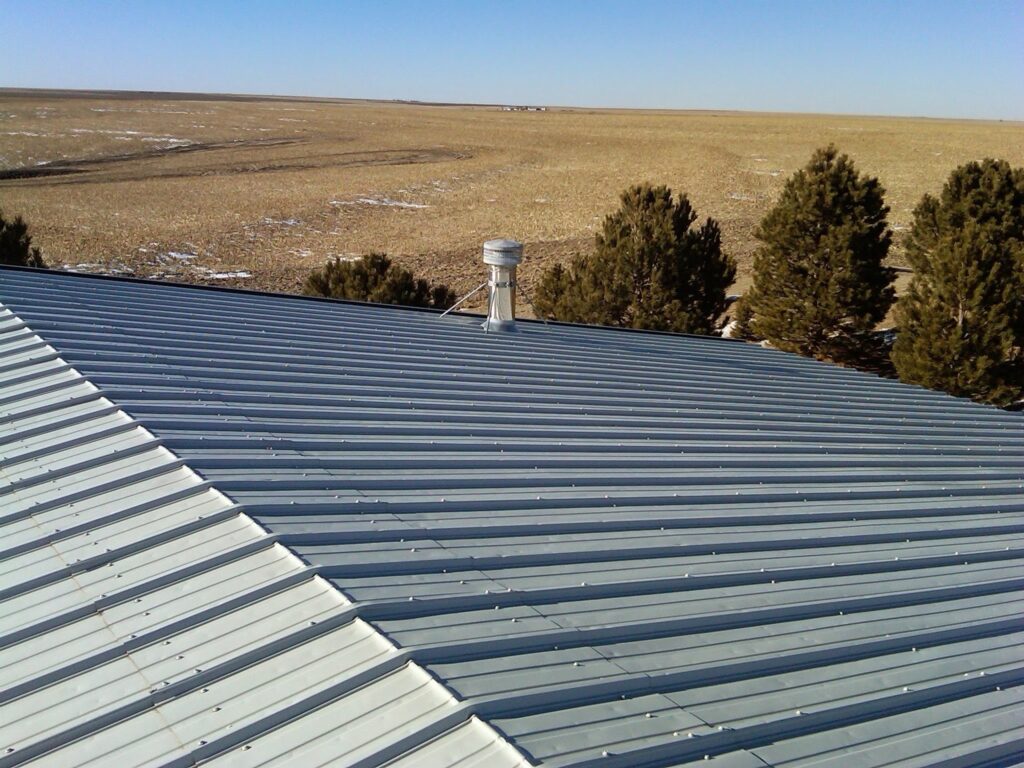
Industrial buildings often require roofing systems that can handle large surface areas, regular building activity, equipment exposure, and changing outdoor conditions. Unlike smaller residential structures, industrial facilities may have specialized layouts, ventilation equipment, drainage requirements, and areas that require careful

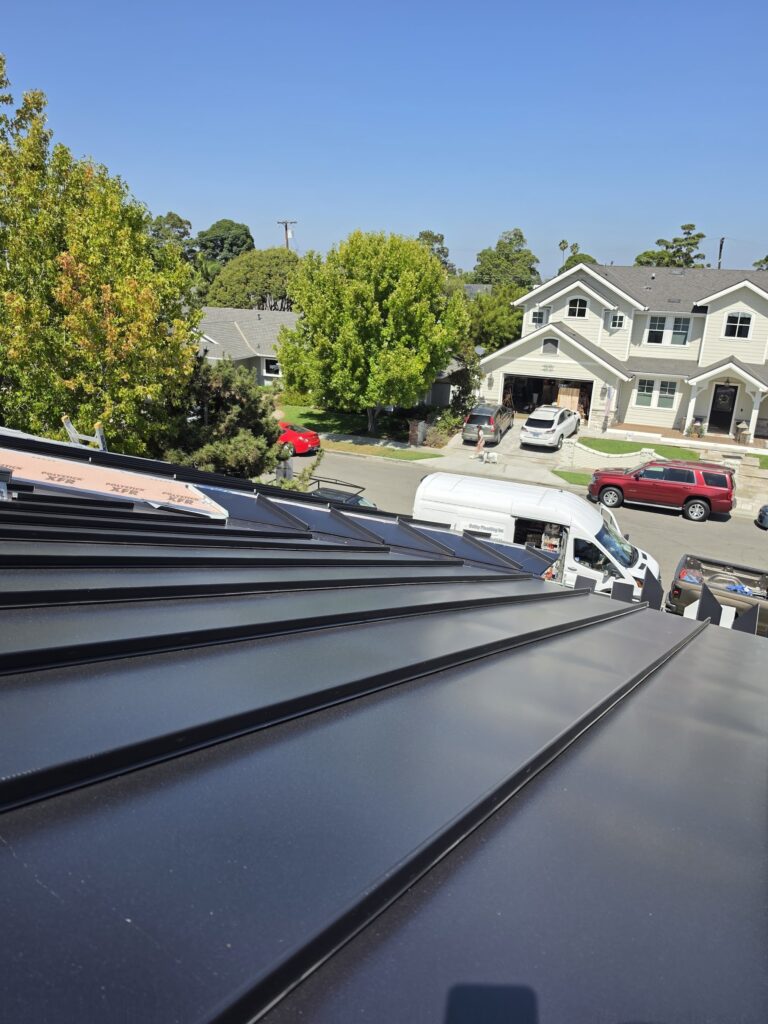
Metal roofing has become an option for property owners who want a roofing system that can provide long-term protection while offering a different approach to traditional roofing materials. Metal panels are available in different profiles, finishes, and styles, allowing them
A roof protects a property from weather exposure, moisture, heat, and other outside conditions, so even a small defect can become more noticeable over time. Damaged shingles, cracked materials, worn flashing, and moisture around the roof can affect the condition
A roof is an important part of a building because it helps protect the interior from weather exposure and supports the overall structure. When a new roof is being installed, several factors need to be considered before the work begins.
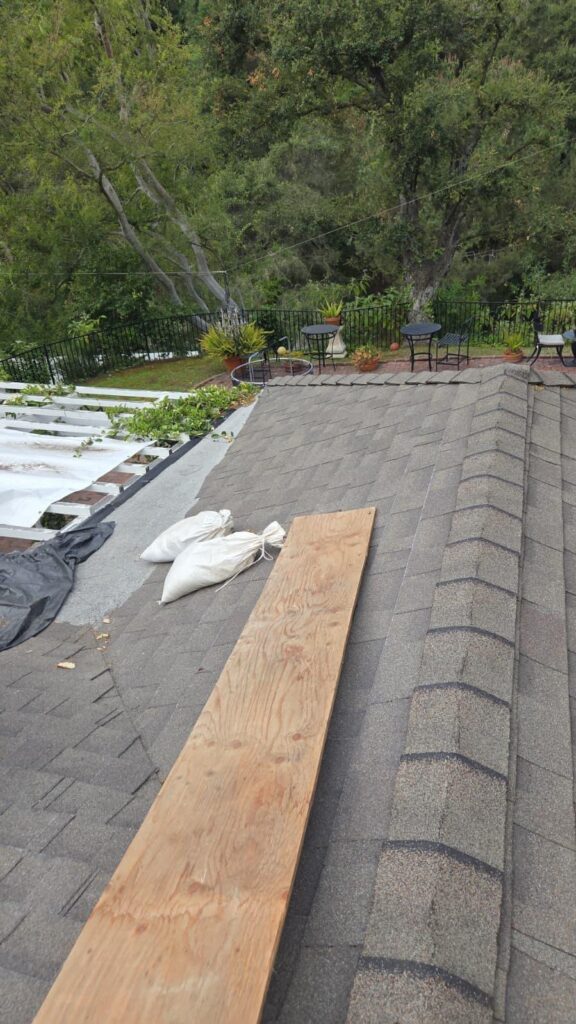
A roof protects a property from sun, rain, wind, and changing outdoor conditions, but roofing materials can gradually lose their strength as they age. Small problems may begin with worn shingles, damaged flashing, moisture marks, or areas where the surface