
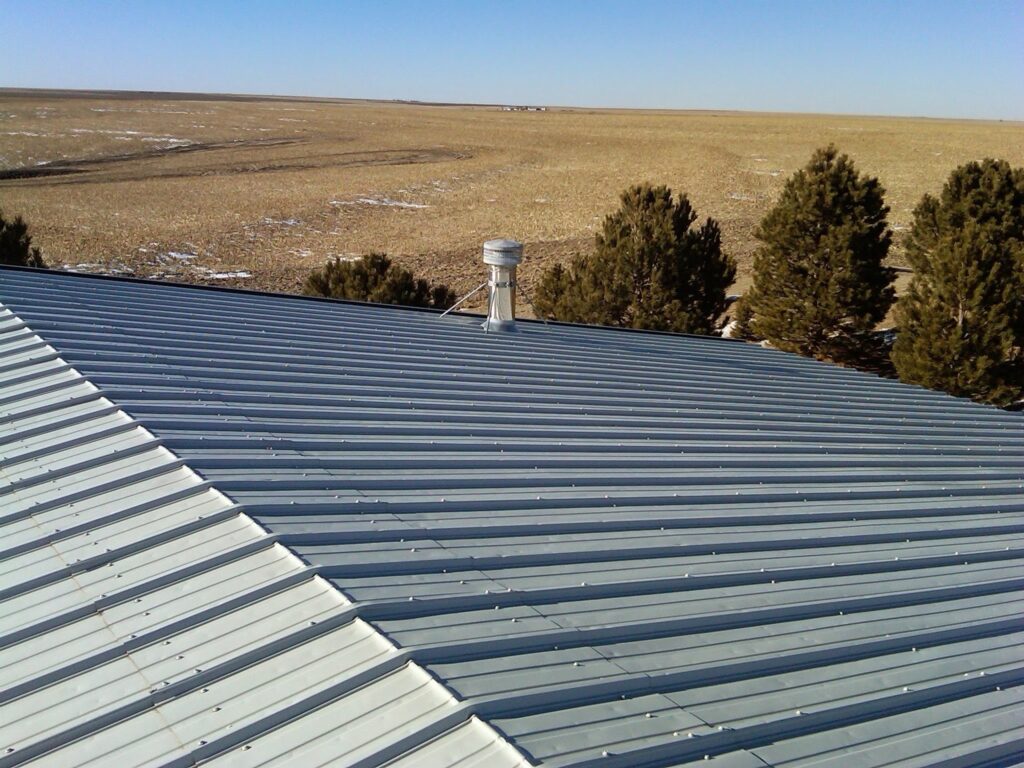
Industrial buildings often require roofing systems that can handle large surface areas, regular building activity, equipment exposure, and changing outdoor conditions. Unlike smaller residential structures, industrial facilities may have specialized layouts, ventilation equipment, drainage requirements, and areas that require careful roofing attention. Choosing a suitable roofing approach involves considering the building’s structure, roof condition, materials, and long-term maintenance needs. Industrial Roofing Services In Colton CA can help property owners understand these factors and maintain a roofing system that supports the protection and functionality of an industrial facility.
How Does an Industrial Roof Protect a Facility?
An industrial roof provides an important barrier between the building’s interior and outdoor conditions. Sun exposure, wind, rain, and temperature changes can gradually affect roofing materials, particularly across large roof surfaces. A properly maintained roofing system helps protect interior spaces, equipment, stored materials, and working areas from moisture and weather exposure. Its performance also depends on details such as seams, flashing, drainage components, and roof penetrations. Keeping these areas in good condition can help reduce the likelihood of moisture entering the facility.
What Makes Industrial Roofing Different?
Industrial roofing often involves larger and more complex structures than typical residential roofing projects. Facilities may contain mechanical equipment, ventilation systems, skylights, drainage outlets, and other components that interact with the roof. The size and design of the building can also affect how water moves across the roof surface. Because of these conditions, industrial roofing requires attention to both the roofing material and the overall structure. Understanding the property’s specific requirements can help businesses choose an approach that supports practical operation and long-term roof performance.
How Should Businesses Choose Roofing Materials?
The appropriate roofing material depends on several characteristics of the facility. Building design, roof slope, exposure to weather, expected maintenance, and the type of activity taking place inside the property can all influence material selection. Some industrial facilities may prioritize durability, while others may have specific requirements related to drainage, insulation, or roof access. Considering these factors before installation or replacement can help businesses avoid choosing a roofing system that does not match their building’s needs. A suitable material should provide dependable protection while also fitting the property’s structural requirements.
Why Is Drainage Important for Industrial Roofs?
Effective drainage is especially important on large industrial roofs because standing water can place additional stress on roofing materials. Water that remains on the roof for extended periods may contribute to deterioration around seams, flashing, or other vulnerable areas. Gutters, drains, slopes, and related components should therefore be kept in suitable condition. Regular inspections can help identify blocked drainage paths or areas where water is not moving as expected. Industrial Roofing Services In Colton CA can support businesses in addressing roofing concerns that may affect drainage and overall roof performance.
How Can Regular Maintenance Extend Roof Performance?
Industrial roofing requires ongoing attention even when no major damage is visible. Periodic inspections can help identify worn materials, loose components, damaged flashing, drainage concerns, and potential moisture entry points. Addressing smaller issues early may help reduce the possibility of more extensive repairs later. Local Roofer Inc can help property owners evaluate their roofing systems and understand when maintenance or repair may be appropriate. With proper material selection, careful installation, routine inspections, and timely maintenance, businesses can support the condition of their industrial roof and protect the facility beneath it.