
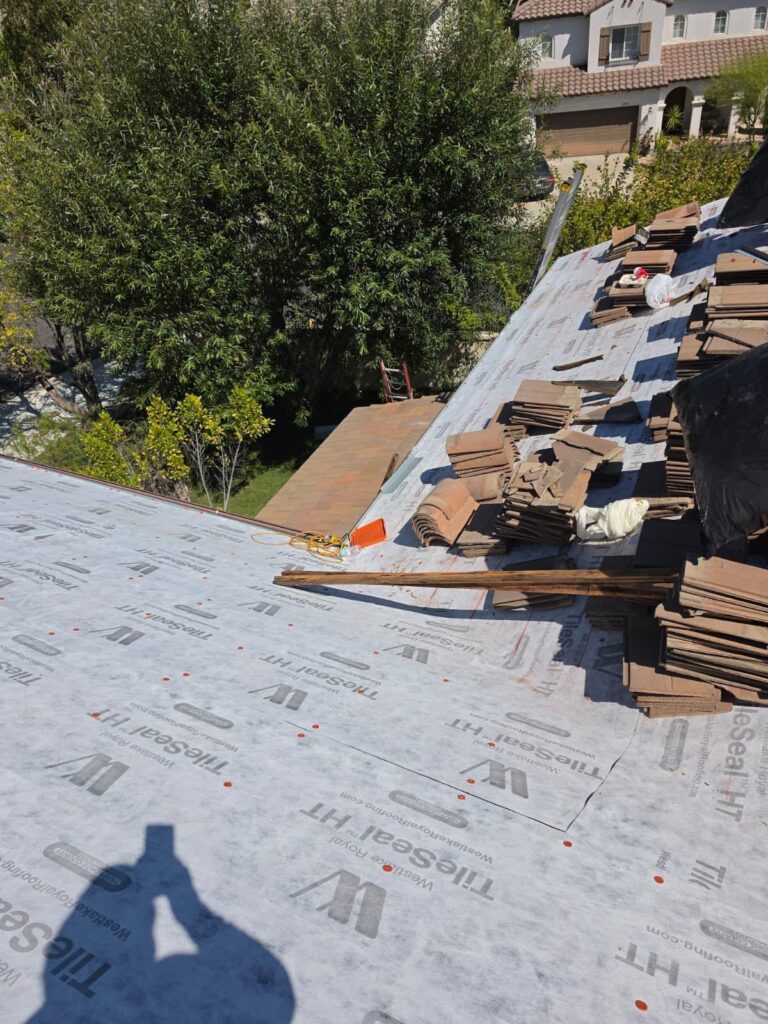
A roof is an important part of a building because it helps protect the interior from weather exposure and supports the overall structure. When a new roof is being installed, several factors need to be considered before the work begins. The roofing material, roof design, existing structure, and local environmental conditions can all influence the installation process. Roofing Installation Services in Colton, CA can help property owners understand the different stages involved in putting a new roofing system in place. Knowing how installation works can make it easier to prepare for the project and understand what contributes to a properly functioning roof.
What Should Be Checked Before Roof Installation?
Before installation begins, the existing roof structure and supporting areas should be evaluated. This can help identify damaged decking, moisture concerns, weak areas, or other conditions that may affect the new roofing system. Measurements are also important because they help determine the amount of roofing material and related components required for the project. Property owners may also need to consider the roof’s slope, design, ventilation, and drainage. Preparing the surface properly creates a better foundation for the installation and can help reduce complications once the roofing work starts.
How Does the Choice of Roofing Material Matter?
Different roofing materials can provide different characteristics in terms of durability, appearance, maintenance, and expected service life. Asphalt shingles, metal roofing, tile, and other materials may be suitable for different building types and design requirements. Climate and weather exposure should also be considered when selecting a material. A roofing system should not be chosen based only on appearance because its performance depends on how well the material suits the structure and local conditions. Reviewing these factors before installation can help property owners select an option that fits their property’s practical requirements.
What Happens During the Installation Process?
The installation process generally starts with preparing the roof surface and addressing any areas that need attention. Underlayment and other protective components may then be placed before the primary roofing material is installed. Proper alignment, fastening, flashing, and sealing are important because they help protect areas where water could otherwise enter the structure. Roofing Installation Services in Colton, CA can involve several stages, and each part contributes to the performance of the completed roofing system. Local Roofer Inc can help property owners understand the work involved when planning a new roof installation.
Why Are Flashing and Ventilation Important?
Roofing performance depends on more than the visible roofing material. Flashing is used around areas such as roof edges, valleys, vents, chimneys, and other openings where water may have an easier path into the building. Proper ventilation is also important because it allows air movement through the roof system and can help manage heat and moisture in the attic area. If these components are overlooked or installed incorrectly, the roof may become more vulnerable to moisture-related concerns. Considering these details during installation can contribute to better overall roof performance.
How Can a New Roof Be Maintained After Installation?
A newly installed roof still requires regular attention to maintain its condition. Property owners can monitor the roof for damaged materials, loose components, blocked drainage areas, or signs of moisture intrusion. Periodic inspections can help identify small concerns before they develop into larger repair needs. Keeping gutters and drainage paths clear can also support proper water movement away from the roof. With appropriate maintenance and timely attention to developing issues, a properly installed roofing system can provide dependable protection and support the long-term condition of the building in Colton.